Marking levels that survive the open
Sunday charts often look decisive until Monday’s first hour redraws half the page. Here is how we stress-test levels during technical analysis training.
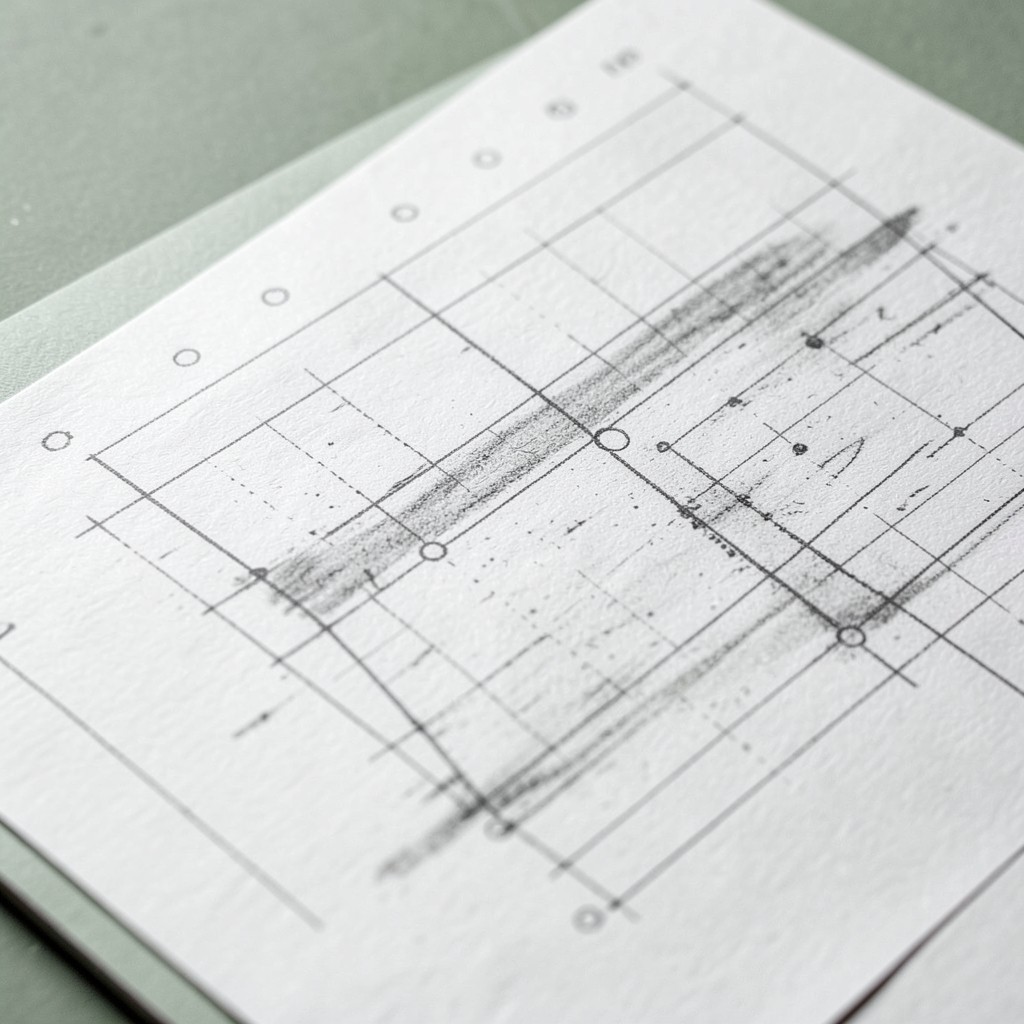
In the Chart Annotation Workshop we ask participants to mark freely first, then erase aggressively. A level earns its keep only if you can state the structural reason without pointing at an indicator.
Three survival checks
- Touch quality: Did price react with a clear rejection or merely pause? Hesitation alone rarely deserves ink.
- Context: Is the level meaningful inside the higher-timeframe swing, or only on the chart you printed for convenience?
- Decision use: Would this mark change an entry, a stop, or a stay-flat choice? Decorative lines leave the page.
Workshop drill
Print yesterday’s session. Cover the rightmost third of the chart. Annotate the visible structure, then uncover the remainder and score which marks still matter. Traders who over-draw usually lose points on context; traders who under-draw miss decision levels near prior day extremes.
Into the trading plan
Surviving levels become candidates for setup criteria — not automatic trades. During day two we translate them into sentences such as “I only buy acceptance back above the annotated prior-day high after a failed breakdown.” The sentence must match the graphite.